Mathematics Outreach for Street Children
APU’s mission-led outreach aligns academic expertise with ESG values and the UN Sustainable Development Goals to empower marginalised learners.
Image
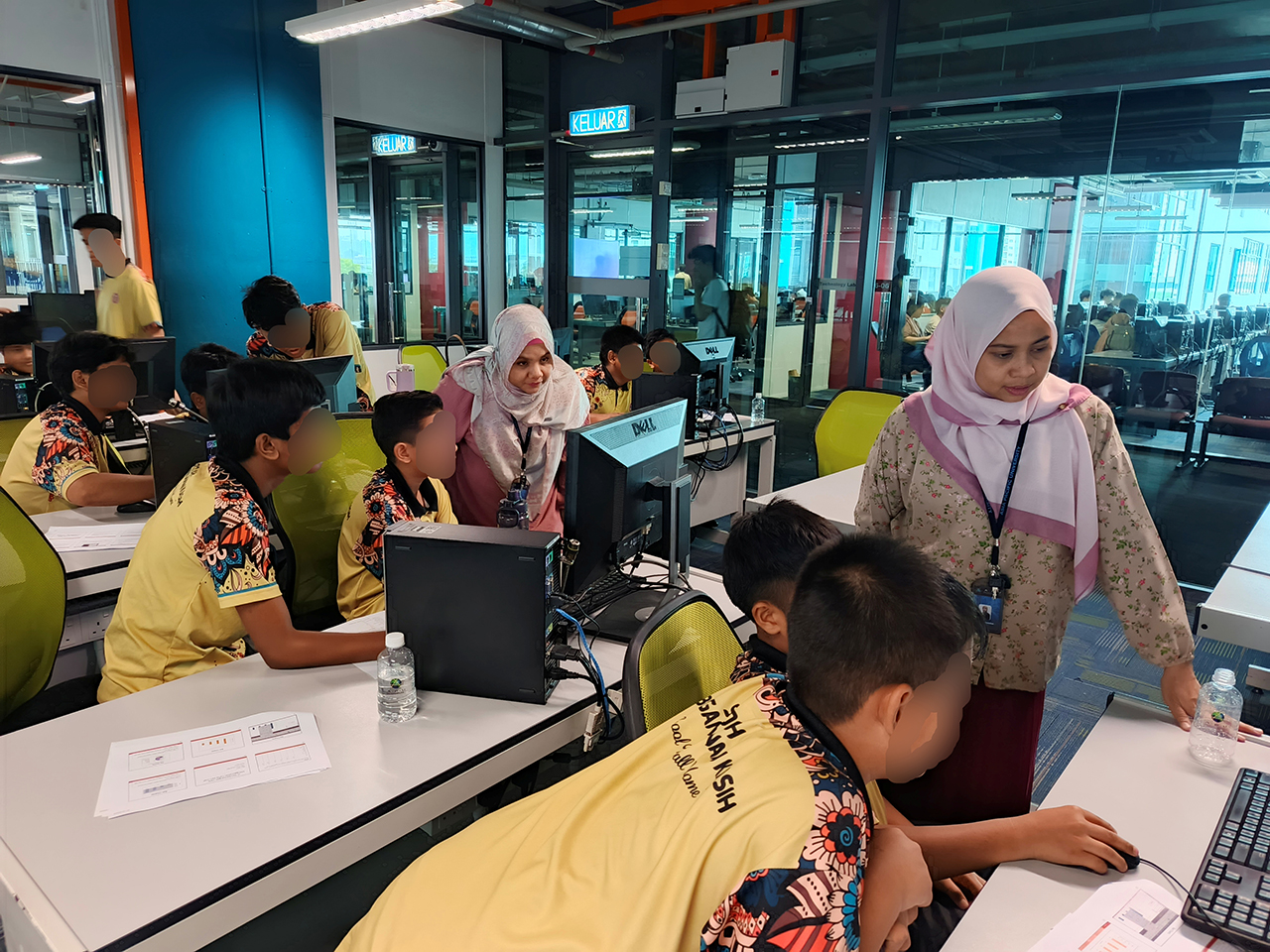
On 3 December 2025, the School of Mathematics, Actuarial and Quantitative Studies (SoMAQS) at the Asia Pacific University of Technology & Innovation (APU) delivered a three-day Knowledge Transfer Programme (KTP) with Sekolah Bimbingan Jalinan Kasih (SBJK), Kuala Lumpur. More than an academic outreach, the initiative was designed as a mission-led intervention—using education as a lever for social inclusion, equity and long-term community resilience.
SBJK occupies a unique place in Malaysia’s education landscape. As the country’s only school operating with a specially developed Ministry of Education module for street children, it serves learners affected by poverty, family disruption, lack of documentation and interrupted schooling.
The partnership therefore directly addressed SDG 4 (Quality Education) and SDG 10 (Reduced Inequalities), while reinforcing APU’s Environmental, Social and Governance (ESG) commitment to inclusive access to knowledge.
A Structured Programme with Real-World Relevance
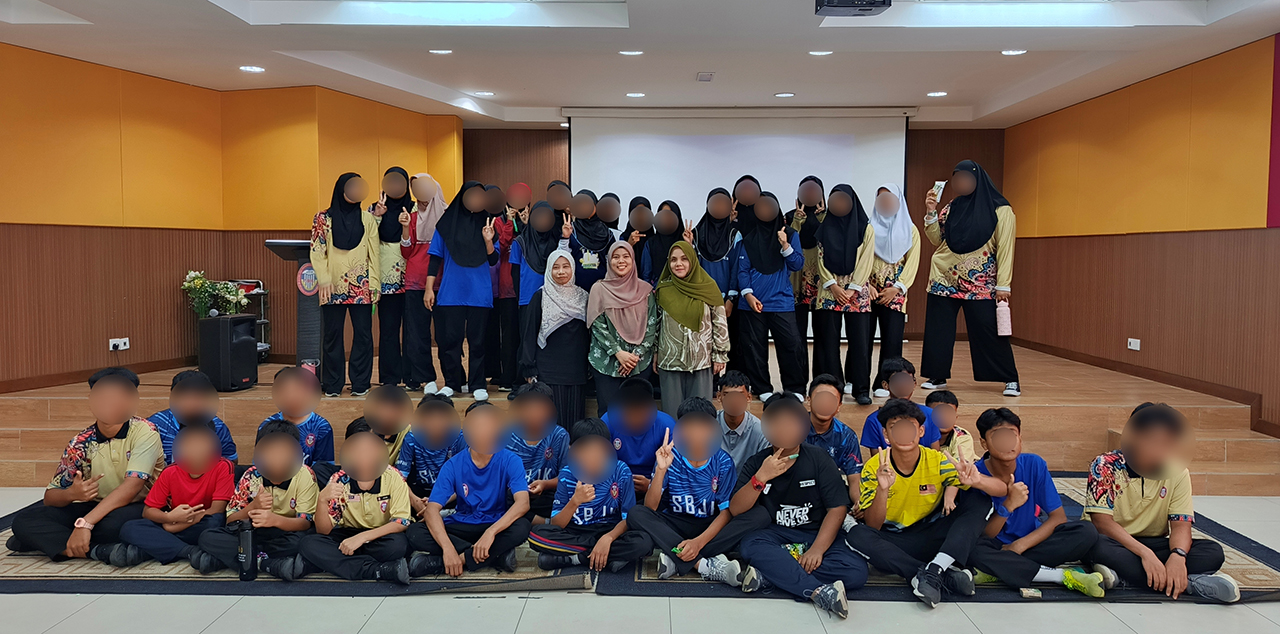
Facilitated by SoMAQS academics Ms Sarah Haji Musa, Ms Hazlina Darman and Dr Rahimah Abdul Rafar, the programme comprised three carefully structured workshops that introduced fundamental mathematical thinking through interactive, learner-centred approaches.
Rather than focusing on rote learning, the KTP emphasised practical application, collaboration and confidence-building. Mathematics was positioned not as an abstract subject, but as a life skill—relevant to decision-making, problem-solving and future employability.
Learning through Collaboration and Play
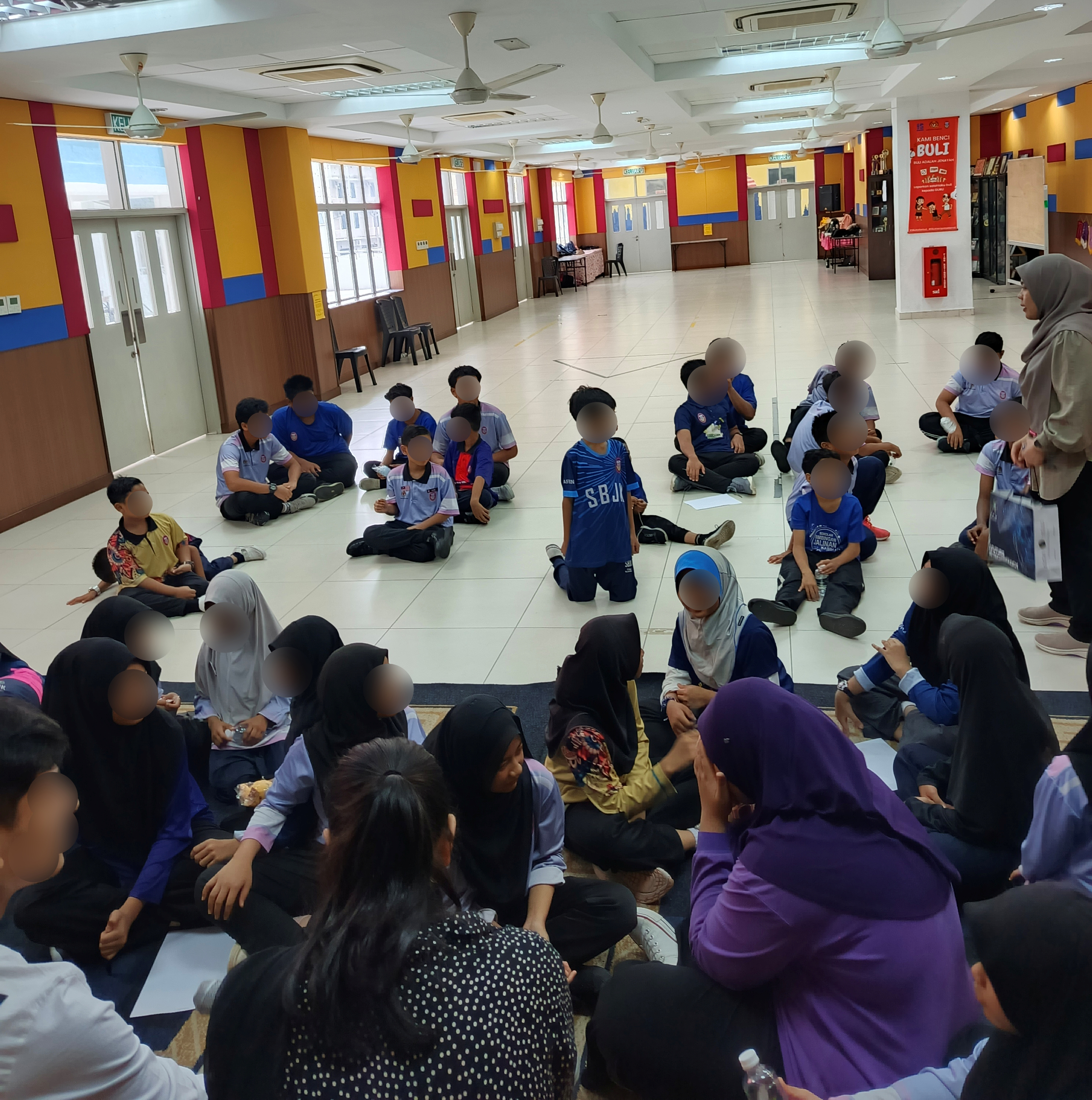
The programme unfolded progressively over three days. On the first day, students engaged in group-based mathematical games designed to strengthen teamwork, communication and collaborative problem-solving. These activities highlighted the social dimension of learning, reinforcing values such as cooperation, mutual respect and shared responsibility.
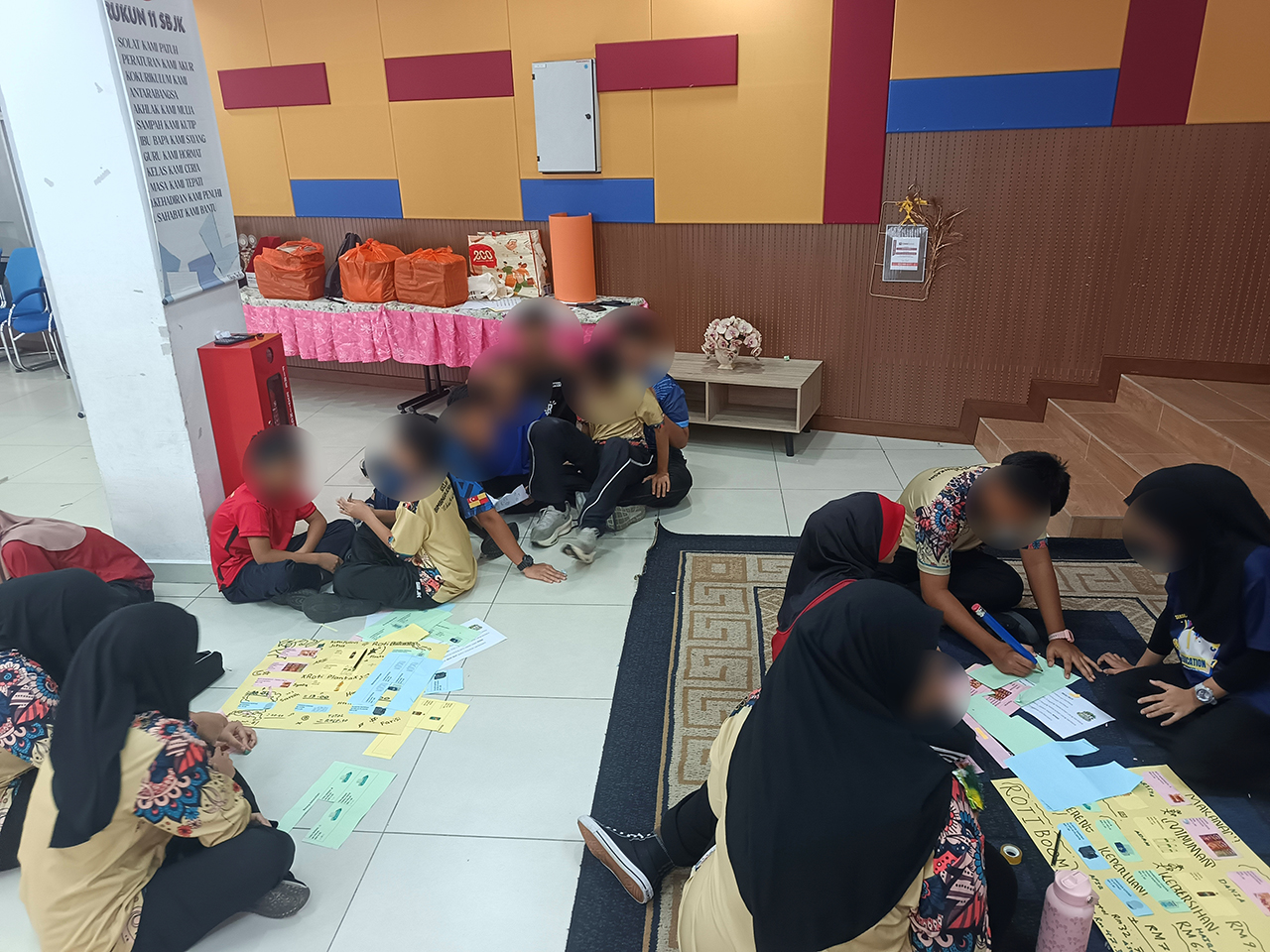
Day two introduced the “Best Buy” game, where students compared prices and quantities to make informed choices. This activity translated numerical reasoning into everyday decision-making, demonstrating how mathematics underpins financial literacy and responsible consumption—supporting SDG 12 (Responsible Consumption and Production) at an introductory level.
On the final day, students were introduced to Microsoft Excel, using basic functions to solve simple problems and generate charts from data sets. This exposure enhanced data literacy and digital confidence, aligning with SDG 9 (Industry, Innovation and Infrastructure) by equipping learners with foundational computational skills.
Building Confidence, Capability and Belonging
By integrating mathematics with play, digital tools and real-life scenarios, the programme created a safe and engaging learning environment. Students not only strengthened their conceptual understanding, but also developed soft skills such as communication, teamwork and self-belief—critical enablers of lifelong learning.
Reflecting on the impact, Dr Rahimah Abdul Rafar, Lead of the programme, noted, “Beyond academic gains, the students showed greater confidence and engagement. Exposure to new learning experiences helped them see education as a pathway to personal growth and inclusion within a wider learning community.”
ESG Impact Beyond the Classroom
For APU, the KTP represented a meaningful application of academic expertise beyond the campus. It strengthened institutional partnerships with community-based education providers and generated practical insights into the learning needs of marginalised groups—informing the design of future, impact-driven initiatives.
From an ESG perspective, the programme reinforced the university’s governance commitment to responsible knowledge dissemination, its social responsibility to underserved communities, and its long-term vision of sustainable human capital development.
A Shared Commitment to Sustainable Development
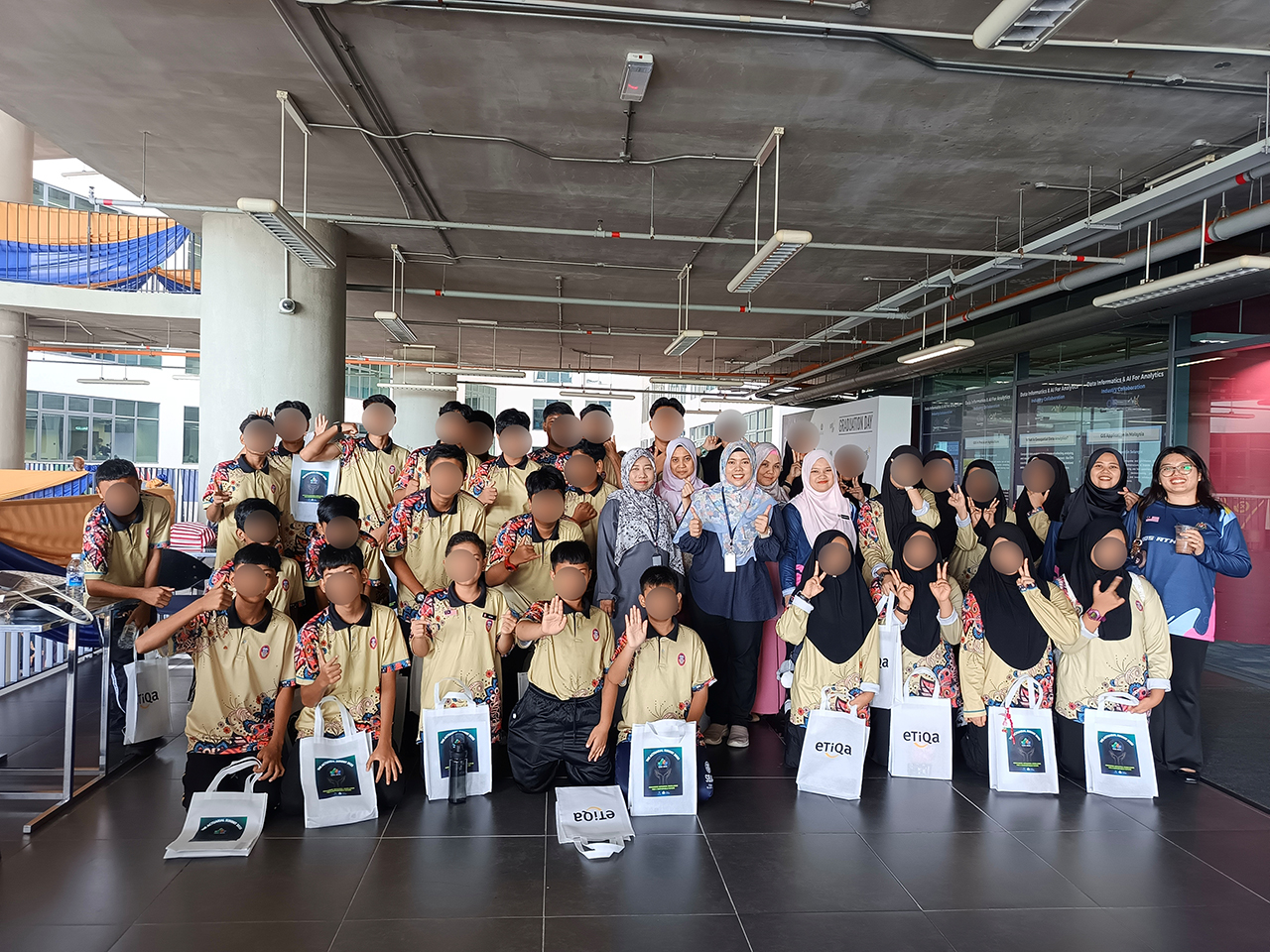
The Knowledge Transfer Programme with SBJK stands as a clear example of how universities can translate strategy into action—bridging academia and community to deliver measurable social impact.
By advancing educational access, nurturing confidence and fostering practical skills, the initiative contributes to sustainable community development while reaffirming APU’s mission to educate with purpose.
In doing so, APU continues to demonstrate that meaningful progress towards the Sustainable Development Goals begins not only with policy, but with people.
News & Happening
Download e-Brochures
Intake Calendar
Want to know more ?
Let’s Connect